



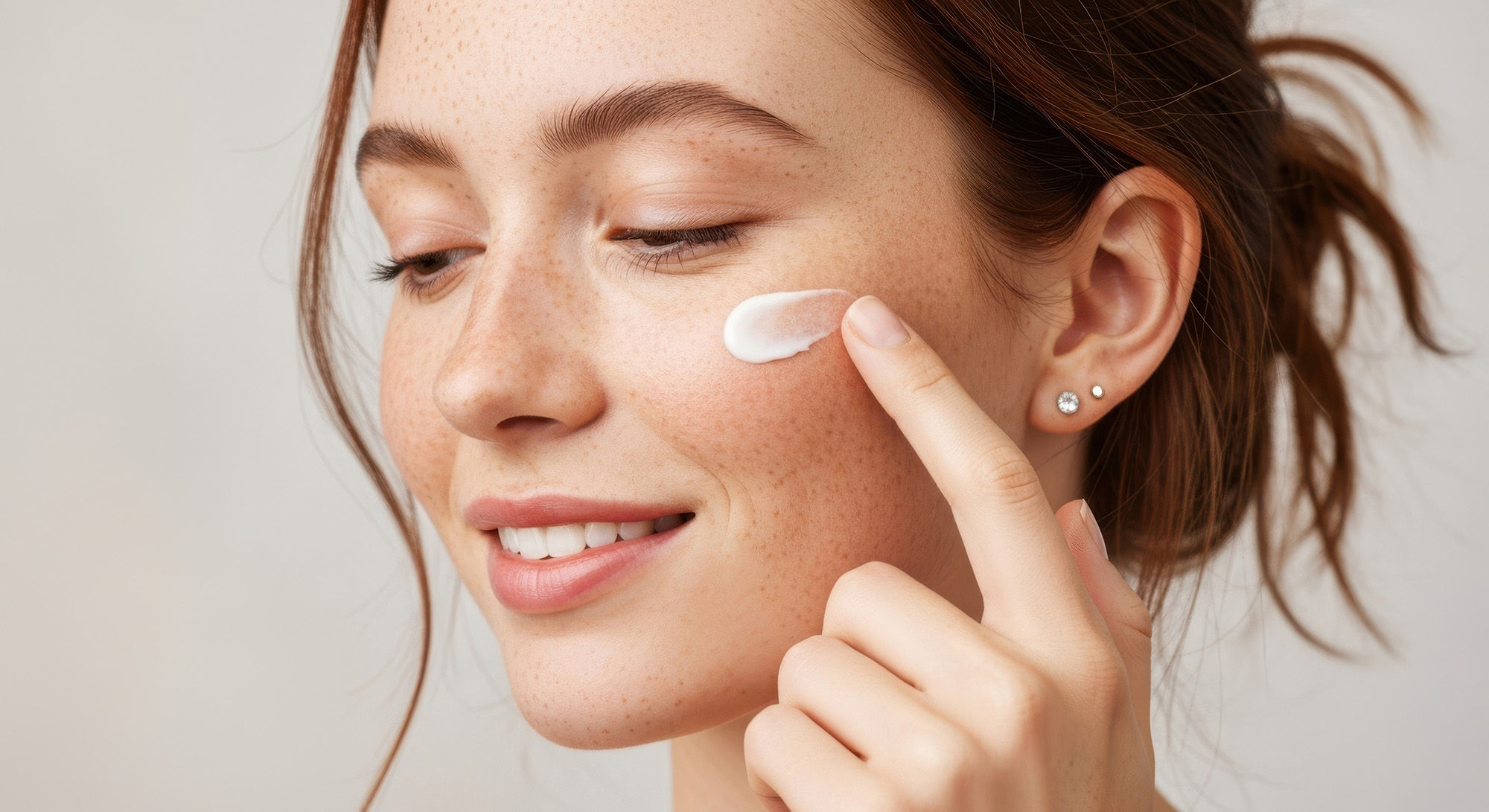
It is commonly said that your skincare routine during the day should differ from your nighttime skincare routine, and cosmetic companies are quick to sell their reasons why (and their products), but how much of this is true compared to marketing hype?
The truth is that it’s a combination of both. Yes, there are advantages to having a
time-specific skincare routine, but that doesn’t stop cosmetic companies from overselling the concept.
Opulent Aesthetics is here to set the record straight, allowing you to see through marketing fiction and get the best out of your skincare routine.
We pride ourselves on giving honest advice on how to look and stay beautiful, saving you money and time, while preserving your beauty for the long haul. This is especially true when you indulge in our professional beauty treatments available at our clinics in Purley and Caterham.
Back to daily skincare. Let’s dive in and cut through the marketing hype.
Your skin’s 24-hour cycle
Your skin, much like your body, has an internal clock and follows a 24-hour cycle that is aligned with your circadian rhythm.
Your skin’s priority and behaviour vary depending on where it is within that cycle, but the cycle’s function can be distinguished in two clear ways: protective and restorative postures.
Daytime cycle = protective
During the day, your skin adapts to the stressors that it faces, including UV exposure, oxidative stress, and pollution. It does this by:
- Increasing barrier protection to defend against UV rays, pollutants, and microbes.
- Increasing sebum (oil) production, forming a natural film, trapping moisture. This begins in the morning and peaks around midday. It can cause a shiny or greasy appearance, which some people dislike.
- Upregulates antioxidant defences with superoxide dismutase and catalase, counteracting free radicals from UV rays and pollution.
Nighttime cycle = restorative
During the nighttime, your skin focuses on restoration to repair any damage and supports your skin’s cell turnover. Specifically, it does this by:
- Proliferating cell division leading to fresh skin cells being created. This peaks between 12 and 2 am.
- DNA repair is most active during the night, particularly when you sleep, correcting cell mutations and any harm caused by the sun’s harmful UV rays and oxidative stress.
- Weakening the skin’s barrier, causing transepidermal water loss, making your skin more prone to dehydration. The good news is that your skin becomes more permeable, enabling topical solutions to penetrate deeper into your cells.
- Increases blood flow to the skin, enhancing nutrient delivery and waste removal.
- Reduces sebum production, making your skin feel drier.
- Melatonin levels rise, enhancing antioxidant protection and regulating cell repair processes.
What this means for your skincare routine
It is always better to work with your skin’s natural processes rather than against them. So, using creams and serums that enhance protection like vitamin C and sun block during the day, and switching to restorative treatments like retinols and peptides at night, really can make a difference to your skin quality.
Having said that, it is really important to read the ingredients of the products you are buying because some cosmetic companies exploit the day vs night treatment concept just to sell you more products when they either contain the exact same ingredients, or do not have the correct ingredients to support your skin during its day or nighttime cycles.
So, yes it can make a difference, but you have to learn how to cut through the marketing noise. Here is a super easy checklist from Opulent Aesthetics to guide you.
Day time defence treatment cheat sheet
Here is a cheat sheet for your morning and daytime routine. Follow these in order for best results:
- Start with a gentle cleanser to remove any oil and sweat produced by your skin overnight, preparing your skin for its other treatments.
- Begin layering with your vitamin C serum as this powerful antioxidant neutralises free radicals, brightens your skin, boosts collagen, and compounds the protective effects of UV sunblock.
- Once your vitamin C is absorbed, apply your Niacinamide (vitamin B3), which regulates oil production, reduces red patches and blotchiness, but also has anti-inflammatory properties and strengthens the skin barrier, working synergistically with vitamin C and sunblock.
- Then, apply hyaluronic acid (HA) to mildly damp skin to help lock in moisture for the day because your skin naturally experiences transepidermal water loss, which is exacerbated by the sun’s UV rays and pollution.
- Apply a lightweight moisturiser for extra hydration, preferably with antioxidant ingredients.
- Lastly, and this is non-negotiable, sunblock with a minimum SPF of 30. Sun damage is by far the biggest cause of accelerated skin ageing and damage. This should be applied in all seasons, even if you are sitting at home.
- After completing the above steps, you can apply makeup, if you so wish.
Nighttime restorative treatment cheat sheet
Your skin is starting to wind down and preparing to regenerate itself. Here is how to support it:
- Deep cleanse to remove all the build up from the day, including pollution, makeup, and even your creams, which will attract debris that clog your pores.
- Apply a liquid exfoliant like alpha or beta hydroxy acids 2-3 times per week (after determining tolerance), but never on the same night as a retinoid. You may find it best to alternate between these products on consecutive nights.
- Apply retinoids (on non-exfoliant nights) on clean and dry skin to stimulate collagen, boost cell turnover, and fade out fine lines and wrinkles. Only use retinoids at night because they make your skin more sensitive to sun exposure, which may cause irritation. They are also less effective once exposed to sunlight.
- After your retinoids have been absorbed, apply a water-based peptide serum, like copper, matrixyl to increase hydration.
- Apply a ceramide moisturiser to lock in hydration with active ingredients that help restore your skin’s natural barrier.
- (optional) Apply an overnight mask to seal in all the magical ingredients you’ve applied, ensuring they are properly absorbed and utilised (2-3 times a week if you’re hardcore).
Pro tips from Sadie
Sadie is a qualified cosmetic aesthetician, but beauty is more than just her job – it’s her passion. Here she provides some basic guidance that translates to pro tips, giving you an edge over ageing.
★ Density rules – always apply your thinnest solutions before thicker ones, as they are better absorbed that way around.
★ Water before oil – always apply water serums before oil serums because oil serums, which are more dense, impede the absorption of water serums.
★ Isolate your active ingredients – never apply retinoids and acids on the same night. Alternate them, and if you are really sensitive, space them out a bit further.
★ SPF sunblock should only be applied in the morning.
★ Retinoids, which are sensitive to sunlight and increase skin sensitivity, should only be applied at night.
★ Engage professional treatments for outstanding results. Your daily skincare routine matters, but real results come from the extra-mile treatments that are only available at professional studios like Opulent Aesthetics.
Our range of treatments include microneedling with exosomes, facial peels, skin booster and polynucleotide injections, and anti-wrinkle treatments. We also have a wide range of superficial facials for you to indulge in, each with their benefits.
Final thoughts
So, the verdict is clear, there are absolutely benefits to having specific products for your AM and PM routine, but this only matters if you are using high quality products containing notable active ingredients like vitamin C, niacinamides, ceramides, peptides, retinoids, and hydroxy acids.
If you are only using a basic moisturiser along with a water-based hyaluronic acid serum, then you don’t need to mix things up. Keeping it simple with both routines will work just fine.
If you enjoy beauty treatments and preserving your radiant look is important to you, take that extra step with a professional treatment from Sadie at Opulent Aesthetics, who will go the extra mile for you.
We have professional studios in Purley and Caterham, and offer the most revolutionary treatments backed by beauty science.